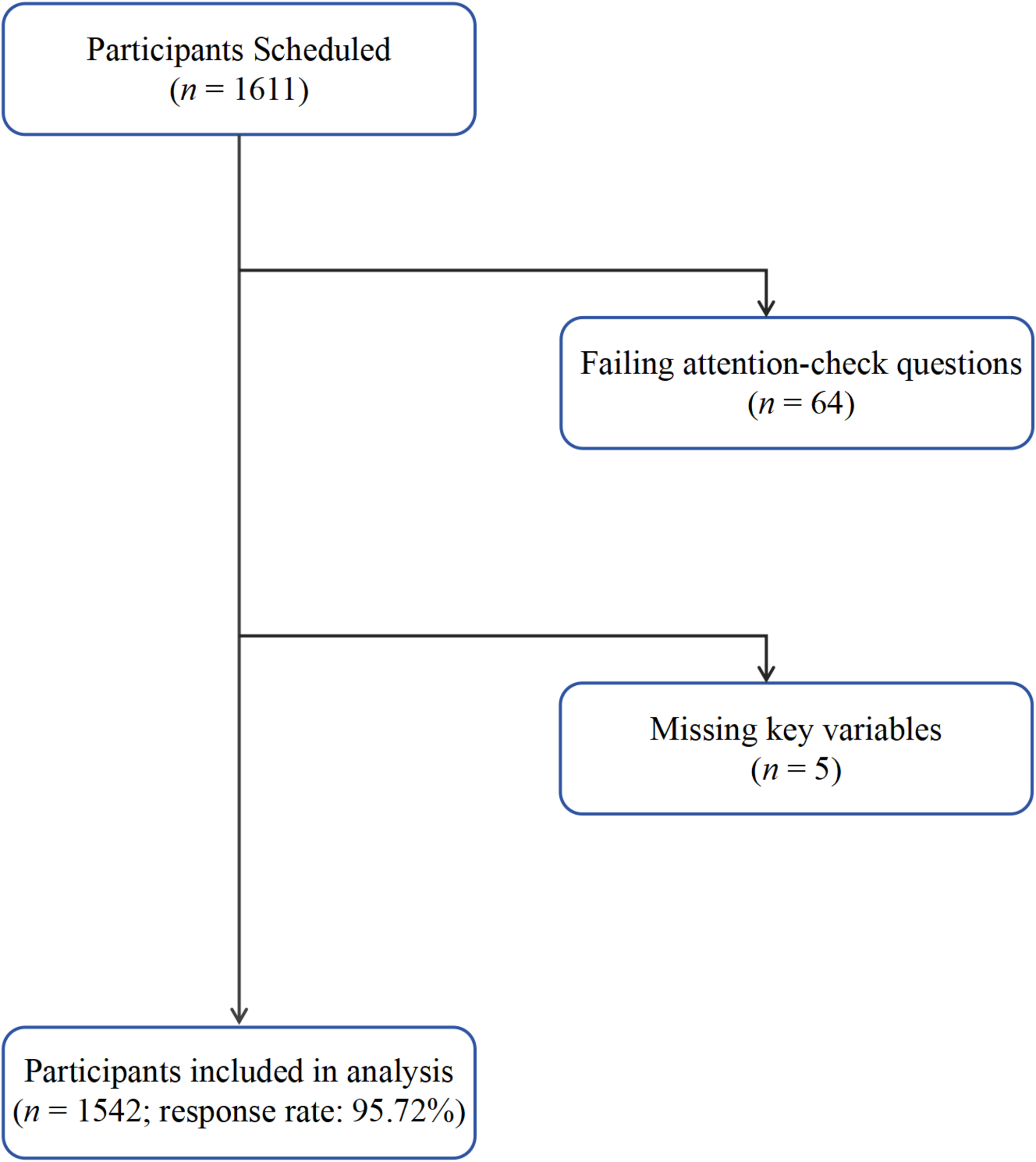

Background Previous studies have revealed associations between lifestyle factors and well-being. However, few studies have examined these relationships within a network framework that accounts for their interconnections. The present study utilized network analysis to explore the promoting and inhibiting effects of various lifestyle behaviors on well-being. Methods Using convenience sampling, we surveyed 1,542 college students from seven universities in southern China between July and August 2023. We employed a network model to examine the structure of restorative behaviors (healthy eating and physical activity), deteriorative behaviors (alcohol consumption, cigarette use, and screen time), and well-being (psychological, social, and emotional well-being). This study explored the protective and risk effects of various restorative and deteriorative behaviors on well-being. Results The results revealed that healthy eating was positively associated with psychological well-being (PWB; edge weight = 0.14), social well-being (SWB; edge weight = 0.05), and emotional well-being (EWB; edge weight = 0.09); physical activity was positively associated with PWB (edge weight = 0.04), and SWB (edge weight = 0.04); screen time was negatively associated with SWB (edge weight = -0.04). Healthy eating (bridge expected influence = 1.48) was identified as essential bridge nodes in maintaining the structure of the network. Conclusions The present study offered a new perspective on the relationship between lifestyle behaviors and well-being using network analysis for the first time. These findings offer preliminary insights for public health strategies aimed at improving students’ well-being.Read More

Healthy lifestyle promote Chinese university students’ well-being: a cross-sectional network analysis